What Are the Best Eco Friendly Kitchen Gadgets from China?

Time:2026-10-09 Author:Sienna
0%

Choosing what are the best eco friendly kitchen gadgets from China requires more than attractive packaging or green-colored labels. The strongest options reduce repeated waste, save energy, and remain useful for years. Think of a stainless-steel lunch container, a rechargeable food scale, or a silicone storage bag beside a busy kitchen sink. These details matter.

Bea Johnson, founder of Zero Waste Home, offers a practical guide: “Refuse, reduce, reuse, recycle, and rot.” Her words encourage shoppers to question every purchase. A reusable gadget is not automatically sustainable. Its materials, factory practices, shipping distance, packaging, and repair options deserve attention. Look for food-grade stainless steel, durable glass, certified silicone, and replaceable batteries when available. Reliable suppliers should provide clear test reports and material information. Independent certifications can add confidence, but they should not replace careful research.

Chinese manufacturers produce both thoughtful designs and disposable novelties. That contrast requires honest comparison. A low-cost electric chopper may use less cooking time, yet its sealed battery could shorten its life. A bamboo utensil may look natural, but its adhesive and finish need checking. I have found that simple tools often perform better over time. Still, personal habits change the answer. A gadget unused in a drawer creates waste, even when its materials seem responsible. This guide will examine practical products, sourcing clues, and everyday performance. Some conclusions may remain imperfect. That is part of buying responsibly.
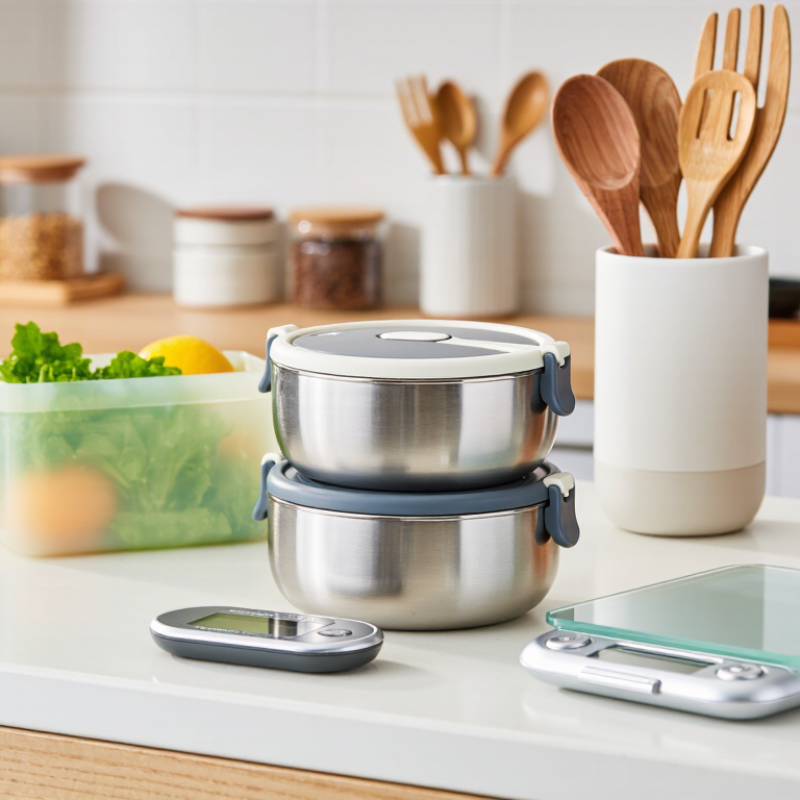
What Are the Best Eco Friendly Kitchen Gadgets from China?

What Makes a Kitchen Gadget Eco Friendly?

What makes a kitchen gadget eco friendly is not its color, bamboo handle, or “natural” label. Its full life cycle matters. The UNEP Global Resources Outlook 2024 reports that resource extraction and processing create over 55% of global greenhouse-gas emissions. Therefore, a durable gadget can be greener than a fashionable replacement.

In my experience, practical design begins with long service life. A Chinese-made kitchen tool should use sturdy, food-safe materials and resist heat, moisture, and repeated washing. Replaceable blades, screws, or silicone seals improve repairability. Simple packaging also matters. The EPA reported that food represented 24.1% of landfilled municipal solid waste in the United States in 2018. A reusable food storage system may reduce disposable waste, but only when users actually reuse it.

Energy performance deserves careful checking. The International Energy Agency has reported that standby power can represent 5–10% of household electricity use. Low-power timers, automatic shutoff, and efficient motors are useful features. Small details count.

Yet, no gadget is perfectly green. An electric chopper may save food preparation time, but its battery and electronics complicate recycling. A bamboo surface may require chemical treatment or transport emissions. Marketing can hide these weaknesses. Buyers should request material details, repair instructions, durability testing, and credible energy data. Without evidence, “eco friendly” remains an attractive claim, not a reliable standard.

Which Eco Friendly Kitchen Gadgets Are Made in China?

Many eco friendly kitchen gadgets made in China use bamboo, stainless steel, silicone, or recycled materials. Common examples include bamboo cooking utensils, reusable food containers, stainless steel lunch boxes, manual vegetable choppers, and refillable soap dispensers. These products are often manufactured in large, specialized production areas with established metal, wood, and silicone supply chains.

Materials need closer inspection. A bamboo utensil may reduce plastic use, but it still needs a durable, food-safe finish. Stainless steel containers can last for years, especially when hinges and seals are well designed. Silicone storage bags are flexible and washable, although silicone recycling remains limited in many regions.

Not automatically green.

I check whether suppliers provide food-contact test reports, material specifications, and factory traceability. Reliable documentation should identify the steel grade, coating, adhesive, or silicone type. Certifications can support trust, but they should match the actual product and production site. Packaging also matters; excessive foam can weaken an otherwise thoughtful design.

A useful quality test is simple. Open the lid repeatedly. Wash the surface. Check for odors, loose seams, and staining. Some low-cost products look sustainable but fail after a few months. That is the uncomfortable part. A longer-lasting gadget is usually the better environmental choice, even when its initial price is higher. Supplier claims still require independent verification.

How Do Chinese Eco Friendly Gadgets Reduce Waste?

What Are the Best Eco Friendly Kitchen Gadgets from China?

Chinese eco friendly kitchen gadgets can reduce waste through simple, repeated actions. Reusable silicone storage bags replace many single-use plastic bags. Airtight containers help protect leftovers, while adjustable food clips keep opened packages fresh. These small tools matter because households generated 631 million tonnes of food waste in 2022, according to the UNEP Food Waste Index Report 2024. That report also found households caused 60% of global food waste. In daily use, a visible container can remind people to eat older food first. It is practical, not glamorous.

Some Chinese-made gadgets also support lower material and energy use. Rechargeable kitchen scales reduce disposable battery demand. Compact electric composters can dry food scraps, although their electricity consumption needs checking. The Global E-waste Monitor 2024 reported 62 million tonnes of electronic waste in 2022, with only 22.3% formally collected and recycled. Therefore, durable construction, replaceable parts, and clear recycling instructions matter more than a green label. I would inspect battery access and repair options before buying.

Not every “bamboo” or reusable product is automatically sustainable. Mixed materials can complicate recycling, and unnecessary gadgets may create more waste than they prevent. Product packaging, shipping distance, and cleaning water also affect the final footprint. The OECD’s Global Plastics Outlook reported that only 9% of plastic waste was successfully recycled worldwide. A washable tool must genuinely replace disposables for years. Otherwise, the eco claim becomes decoration.

What Materials and Features Should Buyers Look For?

What Are the Best Eco Friendly Kitchen Gadgets from China?

When choosing eco-friendly kitchen gadgets from China, examine materials before appearance. Food-grade stainless steel, especially 304 or 316, offers strength, corrosion resistance, and long service life. Borosilicate glass suits storage because it resists odors and temperature changes. Bamboo can reduce plastic use, but it needs dry storage and regular inspection for cracks. Silicone is useful for seals and folding tools, although its full environmental impact deserves closer review.

Look for gadgets with replaceable parts, simple designs, and low energy needs. A hand-powered food chopper may create less daily energy demand than an electric model. Tight lids, smooth seams, and stable handles also matter. Ask suppliers for material declarations, food-contact testing, factory quality records, and clear batch traceability. Certifications are helpful, but buyers should verify their scope and issuing organization. I once focused too heavily on recycled content. Durability may reduce waste more effectively than a high recycled percentage.

Tips: Check the product weight, packaging, spare-part policy, and cleaning instructions. Avoid mixed materials that cannot be separated. Test hinges and seals before large orders. Small flaws become costly returns. Also ask whether packaging uses recyclable paper instead of excessive foam. A gadget is not truly sustainable if it breaks after a few weeks or cannot be repaired.

How Can You Choose the Right Gadget for Your Kitchen?

Choosing the right eco-friendly kitchen gadget from China requires more than checking a bamboo handle. I examine energy use, material safety, repair options, and packaging before buying. A compact induction cooker may use less energy than a traditional electric hotplate, but only when its power rating matches daily cooking habits. Small details matter.

Check the wattage label and standby consumption. Look for stainless steel, glass, or certified food-contact plastics with clear safety documentation. Ask whether replacement parts are available locally. This question is often ignored. The Global E-waste Monitor 2024 reported 62 million tonnes of electronic waste worldwide in 2022, while only 22.3% was formally recycled. A cheap gadget can become expensive waste if its battery or control board fails.

For suppliers in China, request test reports, material declarations, and production traceability. Independent certification is more convincing than vague “green” language. I also compare the gadget’s expected lifespan with its energy savings. A reusable electric chopper may reduce disposable packaging, yet it is not automatically sustainable if used twice and discarded. The U.S. Environmental Protection Agency estimated that food waste made up about 24% of municipal solid waste in 2018; a durable storage or preservation tool may therefore create more practical value than another novelty appliance. I would still question my assumptions. Eco-friendly claims need evidence, not attractive colors.

What Are the Best Eco-Friendly Kitchen Gadgets from China?

Estimated annual electricity use can help compare kitchen gadget types. The figures below are calculated from typical power ratings and stated usage patterns, not from any company or brand data. Actual consumption depends on user habits, cooking volume, and standby power.

How to choose: Manual tools use no electricity and are suitable for simple, frequent tasks. For powered gadgets, look for efficient heating elements, automatic shut-off, durable materials, replaceable parts, and rechargeable batteries with long service lives. Choose the smallest capacity that fits your normal cooking needs.

FAQS

Which eco-friendly kitchen gadgets are commonly made in China?

Common options include bamboo utensils, reusable containers, stainless steel lunch boxes, manual choppers, and refillable soap dispensers. Production often uses established material supply chains. “Eco-friendly” is not automatic.

Which materials deserve close inspection?

Food-grade stainless steel, borosilicate glass, bamboo, and silicone each have useful properties. Steel can resist corrosion and last for years. Bamboo needs a durable, food-safe finish. Silicone is washable, but recycling remains limited.

What features suggest a durable kitchen gadget?

Choose simple designs, replaceable parts, tight lids, smooth seams, and stable handles. Check hinges and seals carefully. Small flaws become costly returns.

What documents should buyers request?

Ask for material specifications, food-contact test reports, factory quality records, and batch traceability. Records should identify the steel grade, coating, adhesive, or silicone type. Certificates help, but verify their scope and production site.

How can buyers test quality before placing a large order?

Open lids repeatedly, wash surfaces, and inspect odors, stains, loose seams, hinges, and seals. Try practical use. A short test can reveal defects hidden in photos.

Are manual kitchen gadgets more sustainable?

Manual choppers usually need no daily electricity, which may reduce energy demand. Their environmental value depends on durability and regular use. An unused gadget is not especially helpful.

How important are packaging and repair options?

Prefer recyclable paper, limited packaging, and available spare parts. Excessive foam can weaken an otherwise thoughtful design. Repair matters.

Is recycled content enough to prove sustainability?

No. I once valued recycled content too heavily. Long service life may prevent more waste than a high recycled percentage. That judgment still needs product evidence.

Conclusion

Choosing sustainable tools for the kitchen begins with understanding what makes a gadget eco friendly. The best options are durable, reusable, energy efficient, and designed to reduce single use waste. Many Chinese manufacturers produce practical products such as bamboo utensils, reusable food storage solutions, manual choppers, silicone covers, compostable cleaning tools, and energy saving cooking accessories. When asking “what are the best eco friendly kitchen gadgets,” buyers should consider how well each item supports long term use and responsible consumption.

Eco friendly Chinese kitchen gadgets can reduce waste by replacing disposable wraps, plastic bags, paper towels, and battery dependent devices. Look for materials such as bamboo, stainless steel, glass, recycled materials, food grade silicone, and certified compostable fibers. Buyers should also check product durability, repairability, safe construction, simple packaging, and the gadget’s overall usefulness. The right choice depends on your cooking habits, available storage, cleaning preferences, budget, and the amount of waste you want to reduce.

Sienna

Sienna

Sienna is a skilled marketing professional with a deep expertise in our company’s core products and services. With a passion for innovation and detail, she plays a pivotal role in crafting insightful blog posts that not only highlight the unique features of our offerings but also provide valuable......