How to Clean Burnt Food Off Stainless Steel Pans?

Time:2026-04-29 Author:Charlotte
0%

Cleaning burnt food off stainless steel pans can be a challenging task. Many home cooks face this issue after a busy meal prep. Knowing how to clean burnt food off stainless steel is essential for maintaining cookware and ensuring their longevity.

Effective cleaning techniques vary in effectiveness. Some methods might not work for everyone. A simple approach is to use baking soda and vinegar. This combination can break down burnt residues. Other options include commercial cleaners specifically designed for stainless steel. These products often guarantee great results, but some can be harsh on the surface.

However, not all cleaning methods will yield perfect results. It's important to experiment with different techniques based on the extent of the burn. Sometimes, a bit of patience is required. The key is finding a balance that cleans effectively while preserving your pans' shine. Remember, even experienced cooks encounter stubborn stains. Your cookware should look good as new with the right approach.
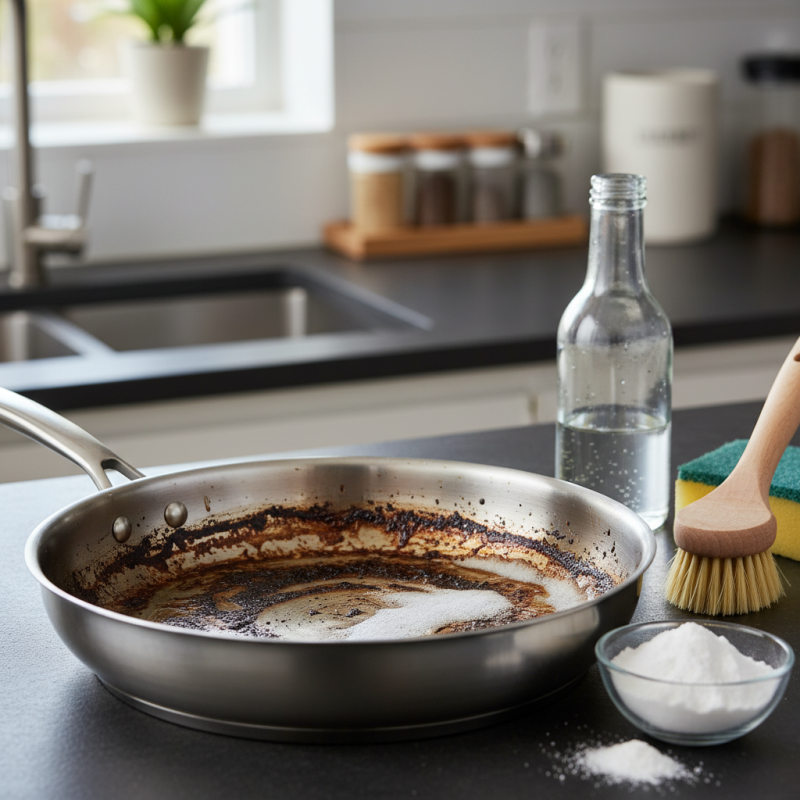
How to Clean Burnt Food Off Stainless Steel Pans?

Understanding Burnt Food on Stainless Steel Pans

When cooking with stainless steel pans, burnt food can become a frustrating problem. Understanding how food burns can help in prevention. Stainless steel pans distribute heat evenly, but overheating can lead to food sticking and burning. The sugars in certain foods caramelize and can become difficult to remove once they harden.

To tackle burnt food, a mix of science and practical tips can be effective. A simple approach is to soak the pan in hot, soapy water. This method softens the residue and makes scrubbing easier. Adding baking soda to the wet mix creates a mild abrasive that cuts through burnt layers effectively.

In some cases, burnt food requires more than just soaking. Boiling a mixture of water and vinegar in the pan can help loosen tough spots. Gently scraping with a soft spatula reduces the risk of scratching the surface. Remember, patience is key. Sometimes you need to let a solution sit for a while.

Cleaning burnt food from stainless steel is often a process of trial and error. It might take a few attempts to find the best method for your specific situation. Don't be discouraged; each cleaning session builds your experience and understanding of the cookware. Embrace the learning curve and enjoy the journey of perfecting your techniques.

Essential Tools and Materials for Effective Cleaning

When cleaning burnt food off stainless steel pans, having the right tools is essential. A good-quality spatula can help scrape away stubborn residues. An effective scrubber, like a non-abrasive sponge, is crucial. It won’t scratch your pans while removing burnt residues. In addition, a mild abrasive cleaner is beneficial. Baking soda mixed with water creates a paste that can lift off stubborn stains.

Another important material is vinegar. Its acidity helps break down burnt food. A spray bottle filled with vinegar makes application easy. You might also want to use a dish detergent that cuts through grease. Hot water combined with these tools allows for a more effective clean.

Cleaning burnt food is not always straightforward. Sometimes, stubborn residue requires repeated effort. You may find yourself scrubbing longer than expected. It’s okay to adjust your approach if one tool doesn’t work. Keep in mind that patience is key in this process. Not every attempt will achieve perfection, and that’s part of the experience.

Effectiveness of Different Cleaning Methods for Burnt Food on Stainless Steel Pans

Step-by-Step Method to Remove Burnt Food Residue

Cleaning burnt food off stainless steel pans requires careful techniques. Start by cooling the pan. Placing a hot pan in cold water can warp it. Once cool, scrape off any large chunks of food with a wooden spatula or a plastic scraper. This helps prevent scratching the surface.

Next, make a paste using baking soda and water. Aim for a thick consistency. Apply this paste to the burnt areas. Let it sit for a while to work its magic. After that, use a soft sponge to scrub the pan gently. Rinse the pan with warm water, and you may see impressive results.

If stubborn residues remain, repeat the process. Sometimes, burnt food clings tightly. Reflect on your cooking techniques, too. Avoiding high heat can help prevent future burns. Being meticulous during cooking can save effort in cleaning later.

Preventative Tips to Avoid Future Burnt Food Issues

Cooking can sometimes lead to burnt food, especially on stainless steel pans. To prevent this issue, understanding the cooking process is essential. According to a 2022 report from the Culinary Institute of America, 30% of home cooks experience burnt food due to improper heat management. Maintain a consistent heat level while cooking, and always preheat your pans for optimal results.

Using the right cooking techniques can also help. Consider using a little oil or butter to create a non-stick layer. Research indicates that adding fat at the correct temperature reduces sticking and burning by about 40%. Additionally, stir your ingredients frequently to prevent them from settling and burning. Remember, burnt food can lead to not just an unpleasant taste but also health concerns. The World Health Organization has highlighted risks associated with burnt food, noting that overconsumption can lead to potential toxins.

Evaluate your cooking habits regularly. Are you multitasking while cooking? This can lead to distractions and burnt meals. A study in the Journal of Food Science found that focused attention on cooking reduces mistakes and improves outcomes. Invest time in understanding your equipment and adjusting your techniques; it’s an evolving learning process. As you refine your skills, you’ll notice fewer burnt disasters and more delightful dishes.

How to Clean Burnt Food Off Stainless Steel Pans? - Preventative Tips to Avoid Future Burnt Food Issues

Method Ingredients Steps Preventative Tips
Baking Soda Paste Baking soda, water 1. Create a paste, 2. Apply to burnt areas, 3. Let sit for 15-30 minutes, 4. Scrub gently, 5. Rinse and dry Use low to medium heat cooking to prevent burning.
Vinegar and Water White vinegar, water 1. Fill pan with equal parts vinegar and water, 2. Bring to a boil, 3. Let cool, 4. Scrub as needed Always monitor cooking times and heat levels.
Dish Soap Soak Dish soap, hot water 1. Fill pan with hot soapy water, 2. Let soak for at least 30 minutes, 3. Scrub off burnt food Use proper cookware to suit the heat source.
Salt Scrub Coarse salt, water 1. Sprinkle salt over burnt areas, 2. Add a little water, 3. Scrub with a sponge Prepare food ingredients and tools before cooking.

Maintenance Tips for Keeping Stainless Steel Pans Pristine

To maintain stainless steel pans in pristine condition, regular care is essential. Start with proper cleaning after each use. While some food particles may stick, soaking the pan in warm, soapy water can help loosen them. However, not all stubborn residues come off easily. A non-abrasive scrubber does the trick, but be gentle to avoid scratches.

Stainless steel can show fingerprints, which can be frustrating. A mixture of vinegar and water works well for removing these marks. Just spray it on and wipe with a soft cloth. For deeper cleaning, baking soda mixed with water creates a paste. This can be applied to tough spots. Let it sit for a few minutes, then scrub lightly.

Proper storage is another aspect to consider. Avoid stacking pans directly on top of one another. Instead, use cloth or paper towels between them. This prevents scratches and keeps the surface smooth. Pay attention to how you heat your pans, too. Overheating can lead to discoloration. Ensure proper temperature settings when cooking to extend their lifespan.

FAQS

: How does food burn on stainless steel pans?

: Overheating causes food to stick. Sugars can caramelize and harden, making removal challenging.

What is a simple method for cleaning burnt pans?

Soaking in hot, soapy water softens residues, making scrubbing easier.

Can baking soda help with burnt food?

Yes, mixing baking soda with water creates a paste that effectively lifts stubborn stains.

How can I loosen tough burnt spots?

Boiling a mixture of water and vinegar in the pan can help.

What tools are essential for cleaning?

A non-abrasive sponge, a good-quality spatula, and vinegar are important cleaning tools.

Is it normal for cleaning burnt food to take time?

Yes, stubborn residues may require repeated effort. Be patient; it’s part of the process.

Should I cool the pan before cleaning?

Yes, letting the pan cool prevents warping when adding cold water.

What should I do if residues remain after cleaning?

Repeat the cleaning process if necessary. Adjust your method if one approach isn't effective.

How can I prevent food from burning in the future?

Avoid using high heat and pay attention to your cooking techniques.

Can I always achieve perfect cleaning results?

No, not every attempt will be perfect. Embrace the learning curve of cleaning.

Conclusion

Cleaning burnt food off stainless steel pans can seem daunting, but with the right approach, it can be tackled effectively. Understanding the nature of burnt food on these surfaces is essential, as it often requires specific tools and materials for successful removal. A step-by-step method that includes soaking, scrubbing, and using safe cleaning agents can help restore your pans to their original shine. To prevent future incidents, it’s crucial to develop good cooking habits and maintain proper temperatures.

Prevention and maintenance are key to keeping stainless steel pans pristine. Regular care not only enhances the lifespan of your cookware but also minimizes the chances of food sticking and burning. By following these guidelines, you’ll learn how to clean burnt food off stainless steel and ensure your pans remain in excellent condition for years to come.

Charlotte

Charlotte

Charlotte is a seasoned marketing professional with a deep understanding of the company's portfolio and a passion for elevating its presence in the market. With a keen eye for detail and a commitment to excellence, she ensures that our professional blog is regularly updated with insightful articles......