Top 10 Ways to Get Rid of Smells in Plastic Food Containers

Time:2026-09-19 Author:Oliver
0%

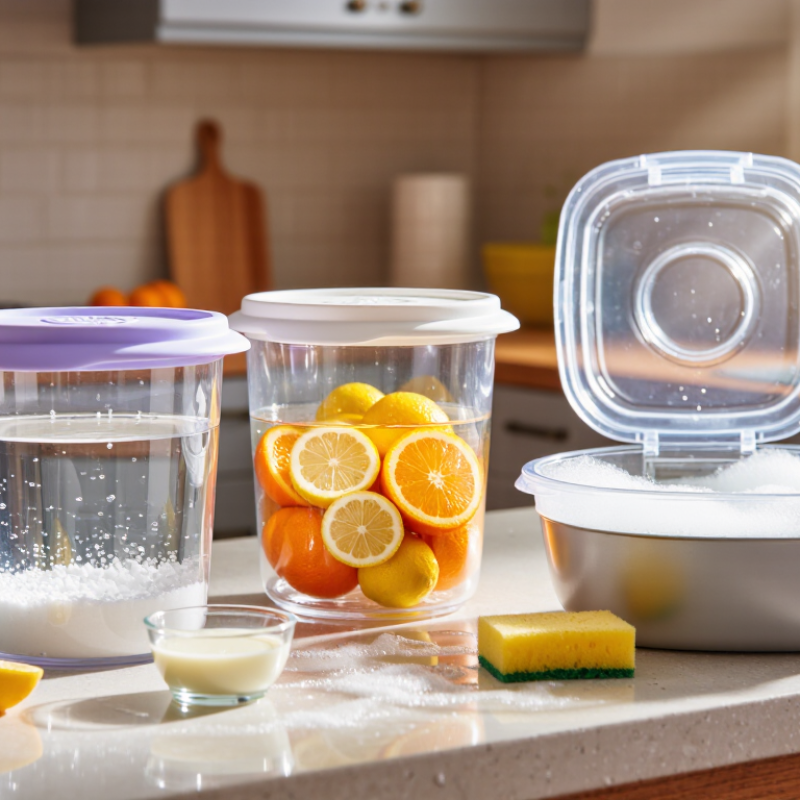
Plastic food containers are convenient, lightweight, and frustratingly absorbent. Curry, garlic, tomato sauce, and oily leftovers can leave behind a stubborn smell, even after washing. This guide explores how to get rid of smells in plastic food containers using practical methods found in many kitchens. Baking soda, white vinegar, sunlight, citrus, and careful washing each work differently. Some remove surface residue. Others help neutralize trapped odors.

Food-safety expert Dr. Donald Schaffner offers an important reminder: “You can’t see, smell, or taste harmful bacteria.” A fresh-smelling container is not automatically a clean one. Wash containers with hot, soapy water before treating lingering odors, and dry them completely. Do not mix cleaning products. Never use damaged containers that have deep scratches, cracks, or melted areas.

The strongest method is not always the best one. Plastic types vary. A technique that works on one container may leave another cloudy or scented. I have found that patience matters, especially with greasy foods. A short soak may fail. Overnight treatment can work better.

Small changes help.

Let containers breathe after washing. Store lids separately when possible. Avoid sealing warm food immediately, because trapped steam can intensify odors. The following ten methods focus on safe, affordable steps, while acknowledging an inconvenient truth: some smells cannot be removed completely. In those cases, replacing the container may be the cleaner, simpler choice.
Top 10 Ways to Get Rid of Smells in Plastic Food Containers

Identify the Source and Type of Plastic Container Odor

A plastic container’s smell usually reveals its source. Sour or yeasty odors often come from rice, dairy, sauces, or trapped moisture under the lid. Sulfur smells may follow eggs, onions, garlic, or seafood. A greasy, stale odor points to oils absorbed into the container’s surface. Plastic-like or solvent-like smells are different and deserve caution.

Inspect the lid, gasket, corners, and scratches before cleaning. These areas can hold invisible food films.

The USDA Economic Research Service estimates that 30–40% of the United States food supply is lost or wasted, and small residues inside reusable containers contribute to that problem.

Wash with hot water and detergent, then air-dry completely. The FDA Food Code emphasizes cleanable, smooth food-contact surfaces; deep scratches make that standard harder to meet.

I once blamed the container itself. The real culprit was a damp silicone seal. That mistake matters.

Remove the seal when possible, and smell each part separately. If the odor is sour, soak the container in a mild baking-soda solution. For oily smells, detergent and warm water work better than fragrance. Never mix cleaning chemicals. A persistent chemical odor after washing may indicate material degradation or absorbed compounds. Replace that container, especially if it feels sticky, warped, or cracked. Some advice online sounds confident, but odor removal is not proof of food safety.

Wash Away Odor-Causing Residue with Hot Water and Dish Soap

Wash Away Odor-Causing Residue with Hot Water and Dish Soap

Plastic absorbs oily molecules from curry, garlic, fish, and tomato-based foods. A quick cold rinse often leaves that invisible film behind. I have found that warm water and ordinary dish soap work better when cleaning starts immediately. Fill the container with hot tap water, add a small amount of soap, and scrub the lid, corners, threads, and rubber seal. These areas trap residue.

The 2022 FDA Food Code specifies wash water of at least 110°F (43°C), unless equipment instructions require another temperature. That benchmark supports effective household cleaning, but it does not mean boiling water is safer. Boiling water can soften or warp some plastics. Let the container soak for five to ten minutes when grease feels slippery. Then rinse until the surface no longer feels slick. I sometimes rinse too quickly. That mistake can preserve the smell.

USDA food-safety guidance emphasizes cleaning food-contact surfaces with hot, soapy water after use. For stubborn odors, repeat the wash before trying stronger methods. Dry the container and lid separately in open air. A closed, damp container can develop a stale smell again. Inspect scratched plastic carefully; deep scratches may hold residue that normal washing cannot remove. The FDA Food Code also stresses proper cleaning before sanitizing, because soil can reduce sanitizer performance. This small step is easy to overlook.

Top 10 Ways to Get Rid of Smells in Plastic Food Containers

Suggested contact times for common odor-removal methods. Start by washing away odor-causing residue with hot water and dish soap, then use a longer treatment when needed.

Rinse thoroughly after every treatment and allow the container to dry completely with the lid off. Contact times are practical household starting points, not laboratory measurements.

Use Baking Soda or Vinegar to Neutralize Persistent Smells

Persistent smells often come from oils trapped in plastic, not from poor washing. A 2022 review in Food Packaging and Shelf Life explains that polymer surfaces can retain volatile food compounds. Baking soda helps absorb odors and mildly neutralizes acidic residues. Mix two tablespoons with enough warm water to form a loose paste. Coat the container, including the lid grooves. Leave it overnight. Rinse thoroughly.

For sharper smells, use diluted white vinegar. U.S. regulation identifies vinegar as containing at least four grams of acetic acid per 100 milliliters. Fill the container with one part vinegar and three parts warm water. Let it stand for 30 minutes, then wash with dish soap. Never seal vinegar inside a dirty container for days. Moisture can prolong the problem.

Do not combine baking soda and vinegar in the same step. The fizz looks useful, but it is mostly neutralization. Use one method, rinse, then try the other if needed. The USDA Food Safety and Inspection Service recommends washing reusable food-contact items with hot, soapy water after use. Odor removal does not replace hygiene. Sunlight may help after washing, but excessive heat can warp plastic. Some stains and smells simply remain; replacing a worn container may be the more practical choice.

Air Out and Sun-Dry the Container After Deep Cleaning

After deep cleaning, leave the plastic container open and separate from its lid. In my experience, trapped moisture keeps odors alive, especially around the rim and corners. Wash both pieces with warm water and mild dish soap. Scrub the gasket, threads, and underside carefully. Rinse until no soap remains.

Then place the container and lid in direct sunlight, with every opening facing upward. Sunlight can help reduce lingering smells, while moving air carries away dampness. Two to four hours is usually enough on a dry day. Turn the pieces halfway through. Do not stack them. A shaded, breezy window works when outdoor drying is impractical. Strong heat can warp some plastics, so avoid leaving containers on hot metal or in a closed car. Check the material’s care guidance when available.

I once rushed this step and sealed a slightly damp container. The smell returned by dinner. That mistake changed my routine: I now touch the inner walls before storing anything. They must feel completely dry, not merely look dry. If an odor remains after repeated cleaning and airing, inspect scratches and discoloration. Plastic can hold smells in damaged surfaces, and replacing the container may be more sensible than masking the odor.

Prevent New Odors with Proper Storage and Regular Care

Strong odors often begin with small storage mistakes. I used to seal containers while food was still warm. Steam trapped inside, carrying the smell into the plastic. Let cooked food cool briefly before sealing it. Do not leave it at room temperature for long. Refrigerate perishable food promptly, and use shallow containers for faster cooling.

Wash containers soon after use with warm water and mild dish soap. Pay attention to corners, threads, and lid grooves. A soft brush can remove residue that a sponge misses. Let every piece dry completely before storage. Even a few drops of moisture can create a stale smell. Store lids slightly ajar when possible. Airflow matters.

Keep strongly scented foods separate from neutral foods. Spiced sauces, onions, and oily dishes can leave persistent odors. Glass may suit foods with intense aromas, while plastic works well for short-term storage. Check containers regularly for scratches, cloudy patches, or damaged seals. Scratched surfaces can hold residue more easily. Replace pieces that remain smelly after thorough cleaning. This is not waste-free, but repeated odor problems may signal worn material. I still forget to dry lids sometimes. That small habit causes more trouble than expected.

FAQS

Why do plastic containers keep smelling after washing?

Oils and volatile food compounds can remain trapped in plastic surfaces. Washing may remove dirt, but not every odor.

How can baking soda remove persistent smells?

Mix two tablespoons with warm water until it forms a loose paste. Coat the container and lid grooves. Leave it overnight. Rinse thoroughly.

When should diluted vinegar be used?

Use it for sharper smells. Mix one part vinegar with three parts warm water. Wait 30 minutes, then wash with dish soap.

Can baking soda and vinegar be combined?

Do not use them together in one step. The fizz is mostly neutralization, not deeper cleaning. Rinse after one method, then try the other.

How should containers be washed and dried?

Wash them soon after use with warm water and mild dish soap. Brush corners, threads, and lid grooves. Dry every piece completely. Moisture causes stale smells.

How can storage habits prevent new odors?

Cool cooked food briefly before sealing it. Refrigerate perishable food promptly. Use shallow containers for quicker cooling. Do not leave food out long.

Which foods need special storage?

Separate strongly scented foods from neutral foods. Spiced sauces, onions, and oily dishes can linger. Glass may work better for intense aromas.

Can sunlight help remove container odors?

Sunlight may help after washing. Avoid excessive heat, because it can warp plastic. A hot windowsill is not always harmless.

When should a container be replaced?

Replace it if scratches, cloudy patches, or damaged seals remain. Persistent odor may signal worn material. It feels wasteful, but repeated cleaning may fail.

Conclusion

Learning how to get rid of smells in plastic food containers begins with identifying the odor’s source and the type of container involved. Strong scents may come from leftover oils, sauces, dairy products, or moisture trapped in scratches and corners. Start by emptying the container and washing it thoroughly with hot water and dish soap, paying close attention to the lid, seal, and edges where residue often remains. Rinse well to remove both food particles and soap.

For persistent odors, apply baking soda with a little water to create a gentle paste, or soak the container in a diluted vinegar solution before washing it again. After deep cleaning, leave the container open in a well-ventilated area and allow it to air out and sun-dry when appropriate. To prevent future smells, store containers completely dry with their lids slightly open when possible, avoid leaving food inside for long periods, and clean them promptly after each use. Regular care helps keep plastic containers fresher for longer.

Oliver

Oliver

Oliver is a seasoned marketing professional with a wealth of expertise in driving brand awareness and engagement. With a deep understanding of our company's product offerings, he consistently delivers high-quality content that enriches our professional blog. His insights not only shed light on......